

The weight of clutter… we all know how it can feel when the pantry is overflowing, the junk drawer has too many random objects or duplicates, and we’ve saved other items in the house to use later but still have them many years (or a relocation or two) later. You are not the only one! Our team of experienced professional organizers have come together to bring you an easy-to-follow guide you can use to start decluttering your home of unwanted items today.
Let’s start in the heart of the home.
The Kitchen
Old Plastic Food Containers: Angela, Organizing Assistant, Life Simplified LLC, recommends a plastic food container audit. Those stained containers? Precariously stacked plastic items with missing parts? Extra lids with no container? It’s time to go. There are several drop off plastic recycling options including Walmart and Sam’s Club. Their Community Recycling Units accept plastic bottles, bags, and rigid food packaging. You can also contact your local recycling center to drop off unwanted plastic goods.
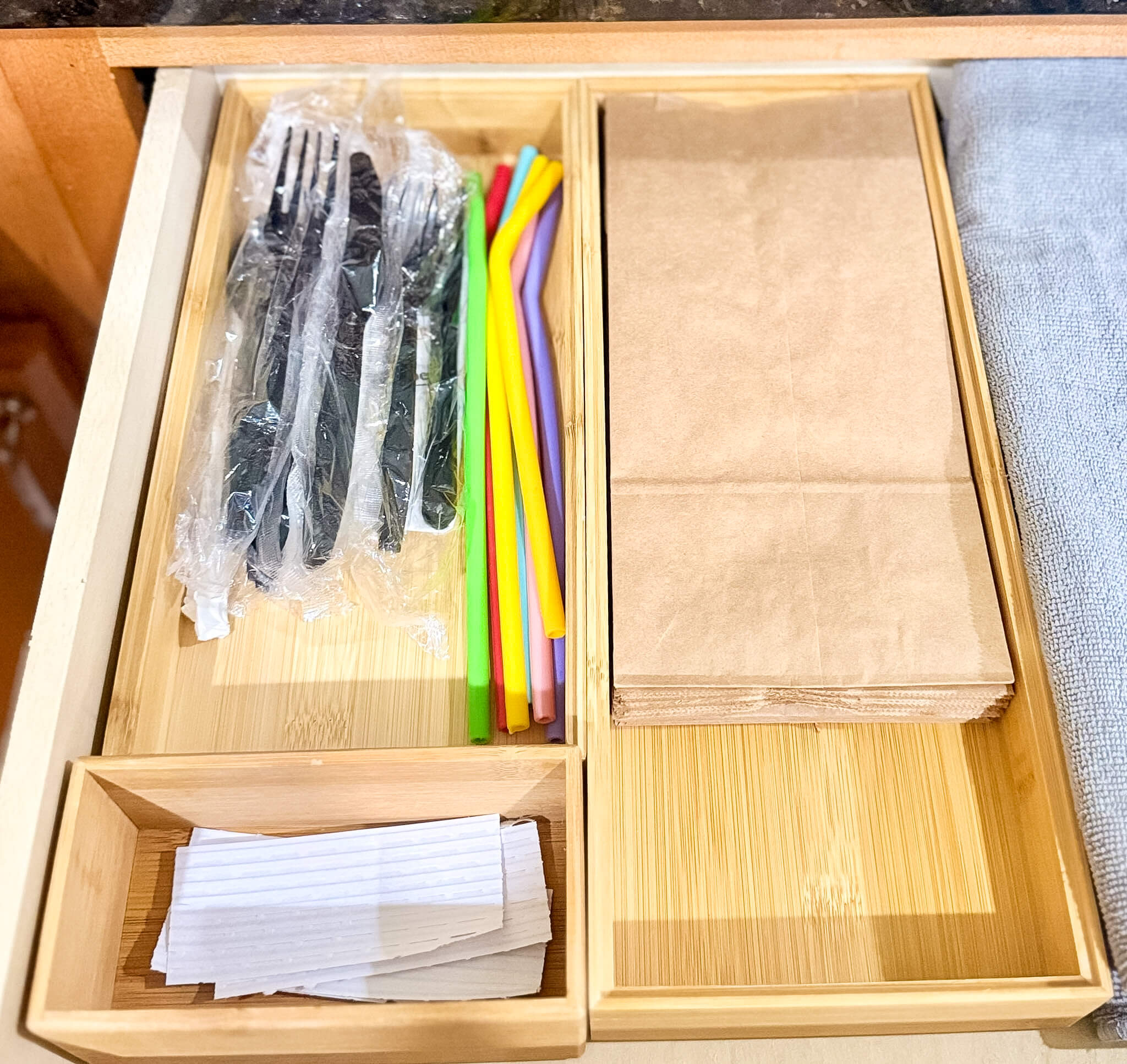
Disposable Cutlery Packets: Emily, Organizing Assistant, Life Simplified LLC, believes in keeping what we will use and rehoming what we will not. We know that disposable cutlery packets can come in handy, certainly when dropping off meals to others and when you’re hosting friends over. But a huge collection can take up prime real estate in kitchen drawers or the pantry. Our suggestion? Keep a selection to have available at home and donate the rest to other families, church, or your local sporting club.
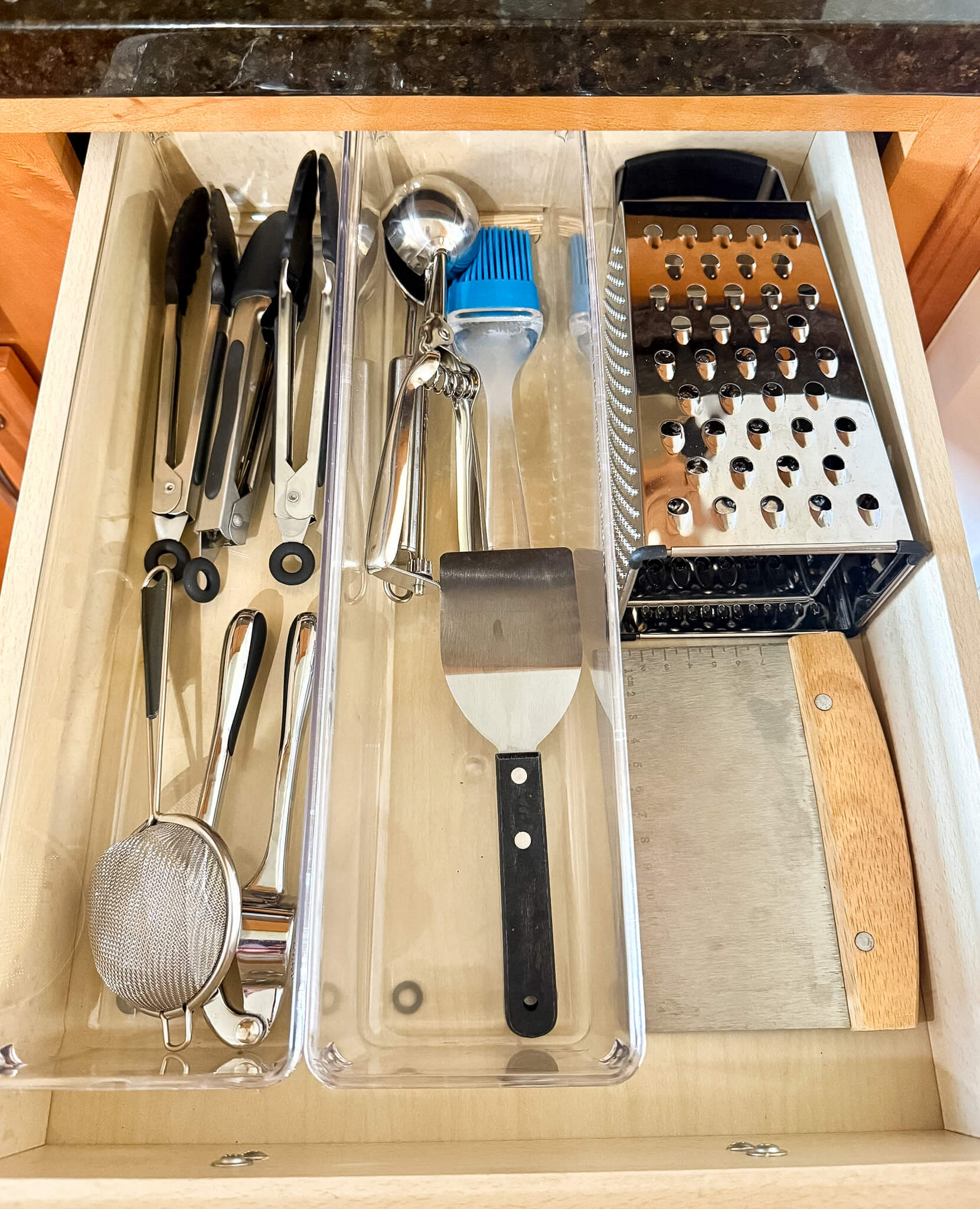
Single Purpose Items Or Duplicates: Marcia, Lead Organizer, Life Simplified LLC, recommends rethinking single use kitchen gadgets (unless there’s some you truly use and love!). Quite often, items such as a banana slicer can be substituted with a knife you already have. An egg separator could be substituted with using a spoon instead. A tortilla warmer? A towel or pan will work well too! Other single use kitchen gadgets that may be taking up much needed space are: hotdog toasters, quesadilla makers, pineapple corers, and avocado cutters to name a few.
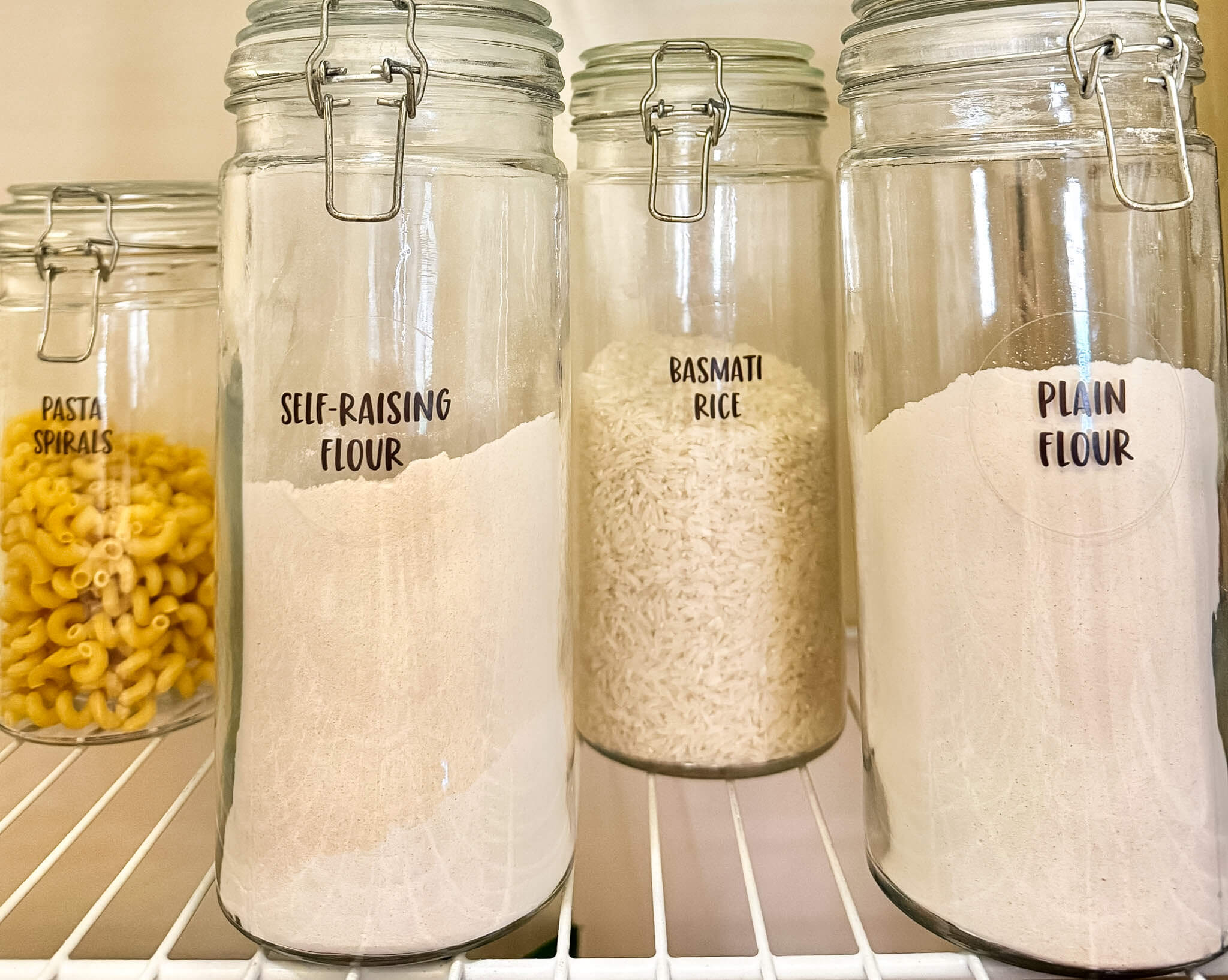
Expiry Dates: Jamie, Organizing Assistant, Life Simplified LLC, recommended checking your pantry each season for expiry dates. Cooking oil and nut butters can go rancid, dry goods such as flour, rice, pasta, nuts, seeds, and cereal can attract weevils. Jamie also suggests checking for dented or rusted canned goods which can affect the seal and foster toxins. Anything leaking suggests that bacteria has entered. It’s time to go!
Household Items
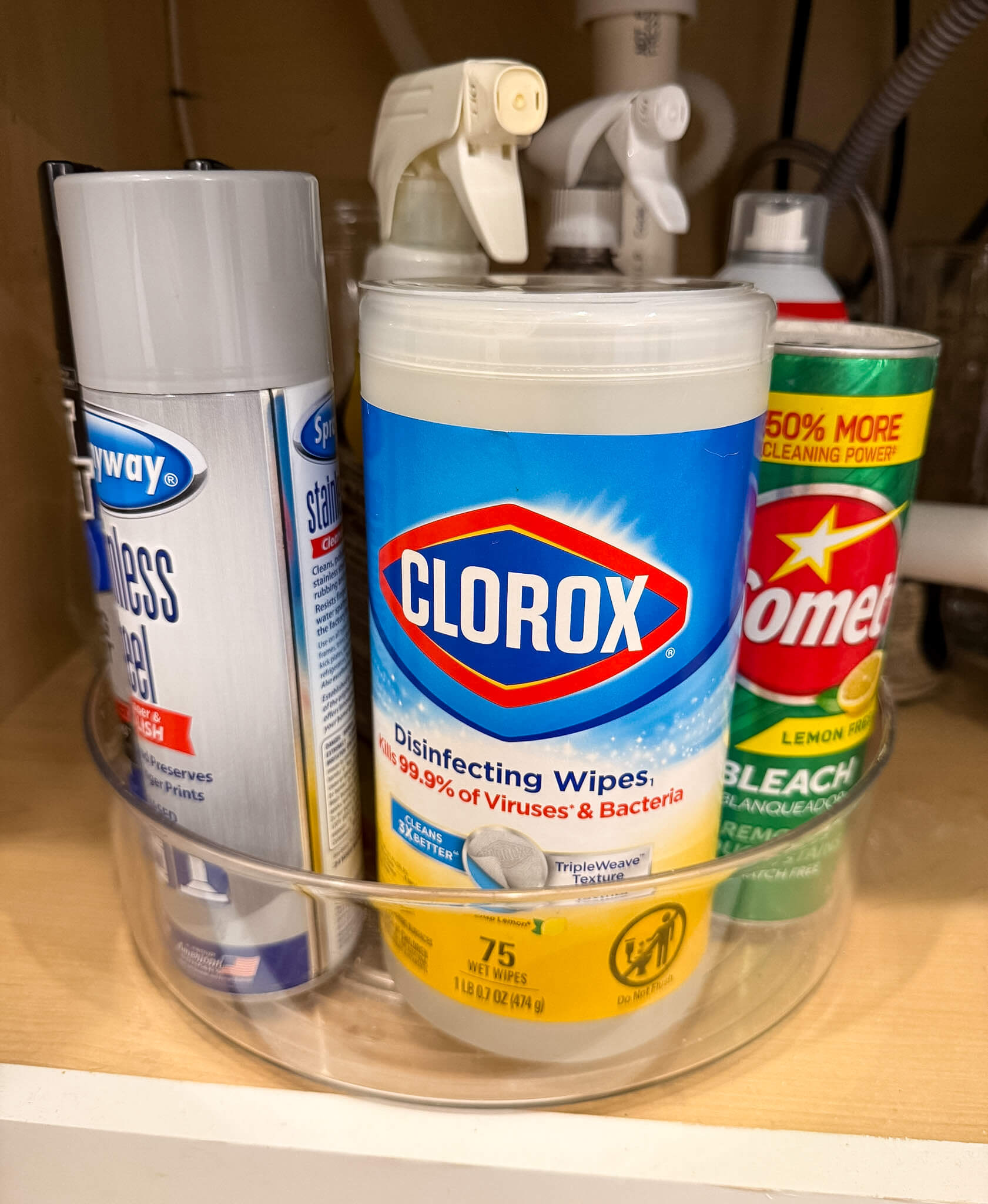
Cleaning Products: Karen, Owner, Life Simplified LLC, recommended checking your cleaning products for expiry dates, leaks, or damage. Expired products, such as disinfectants, can lose their disinfecting power over time due to the breakdown of ingredients and separation of chemical compounds important for effectiveness.
While general multi-surface sprays can last up to two years, some specialized products have a far shorter lifespan. Products like bleach can lose their strength and cleaning power if kept long term. Typically, bleach can be kept for six months once opened or for one year if left unopened.
Disposal Of Expired Cleaning Products
- It’s always best to check in with your local environmental, health, or solid waste agency to dispose of hazardous household waste. Putting these items in the trash or pouring down the drain can cause significant health impacts to others and the environment.
- If there is no year-round collection for hazardous household waste, you can check if there is a local drop-off point to ensure safe management and disposal of cleaning products.
- For unwanted cleaning products still in date, consider sharing with friends and family or donating to a local business.
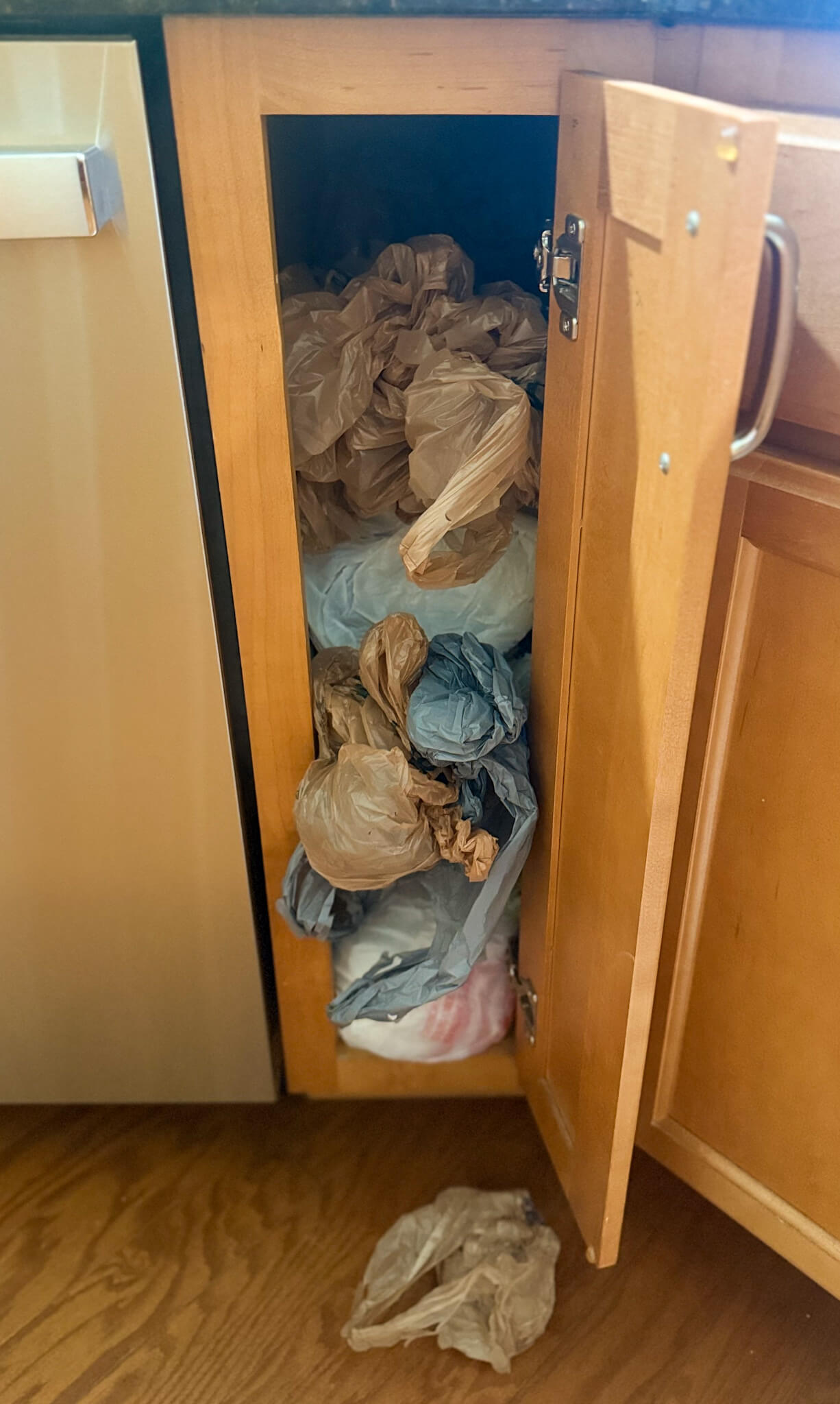
Plastic Bags: While some may be needed for small trash cans or transporting goods, an entire cupboard or pantry shelf full of plastic bags may just be a few too many. If you have a large overflow of plastic bags, there are a few easy things you can do to get that under control.
1. Recycle: Collect up the overflow of plastic bags you have and drop them in to your local supermarket—usually there’s a drop off bin directly outside the store or in the entryway.
2. Donate: Check with your local animal shelter, school, or childcare center if they need some spare bags on hand for reusing.
A sustainable habit to practice is bringing reusable shopping bags to the store to transport groceries and to minimize your impact on the landfill.
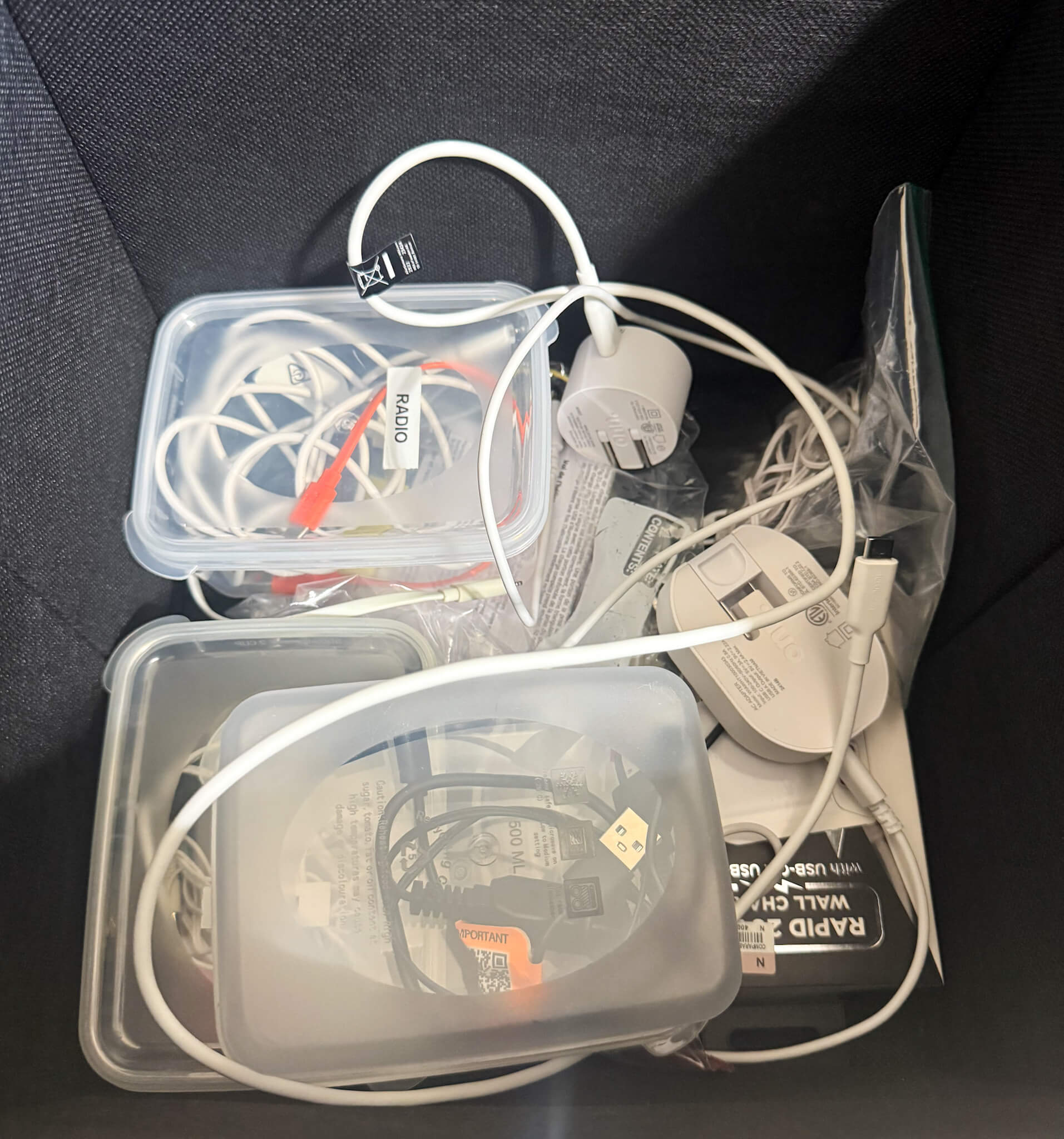
Cords: Emily, Organizing Assistant, Life Simplified LLC, says that most homes have or have had a mystery cord situation from time to time. Do you have a drawer with an abundance of cords? Perhaps you don’t know exactly what they’re for, but are keeping them “just in case”. But 10 years later, you still have those “just in case” cords? It’s time to part with them.
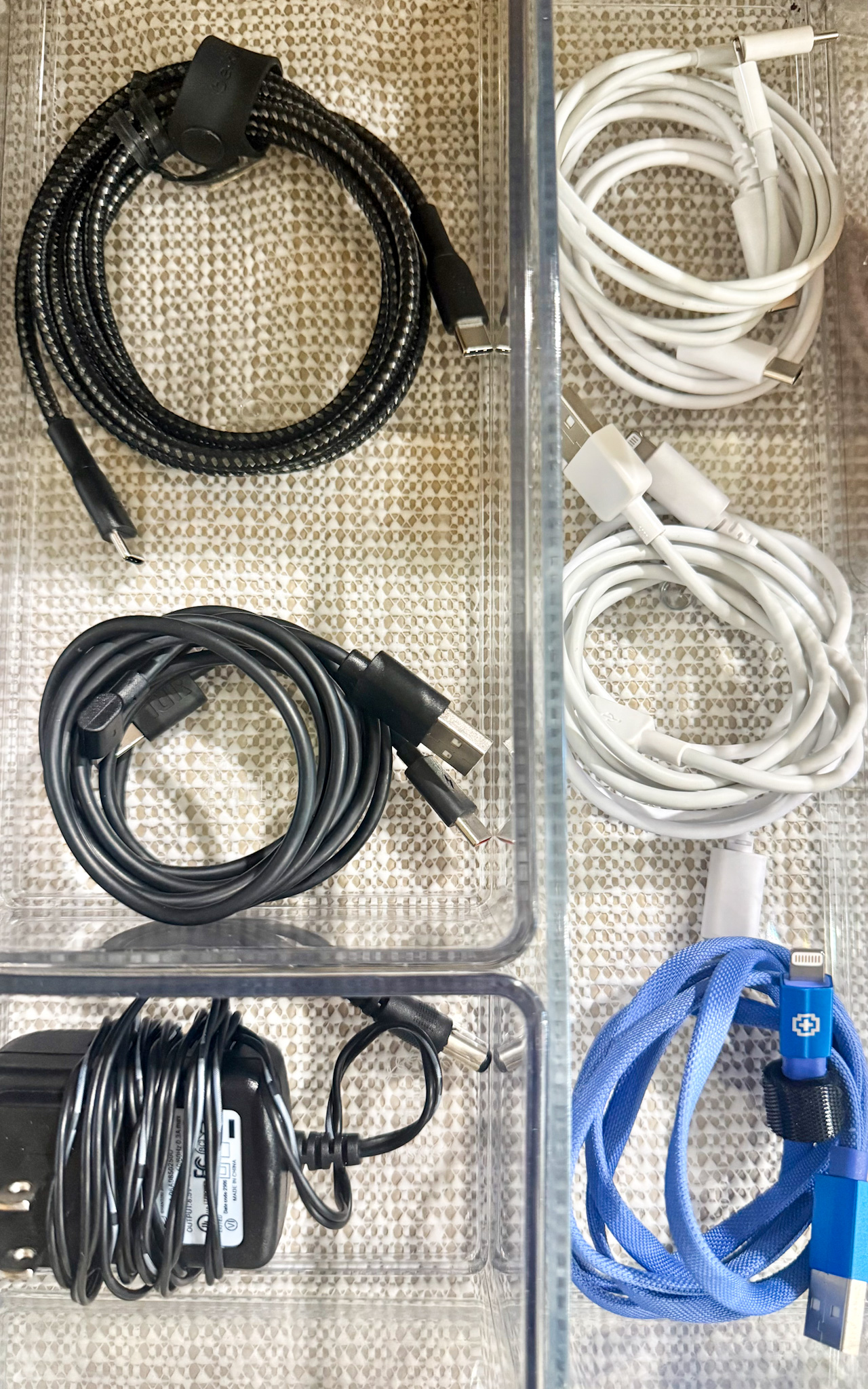
Let’s Get That Sorted With These Steps:
- Local recycling centers accept cords for recycling, often separating the plastic and electrical components for reuse.
- Drop off your unwanted cords for collection at Best Buy, Staples, or Dell Reconnect.
- Check within your local community for municipal e-waste events.
Medicines: The U.S. Food and Drug Administration recommends regularly checking your medicines for expiry dates, citing that expired medicines can pose risks to users due to changes in chemical composition or strength. This can deem a product no longer safe and effective to treat medical conditions or illnesses. In addition, bacterial growth in products can occur and pose health and safety risks to you and your family.
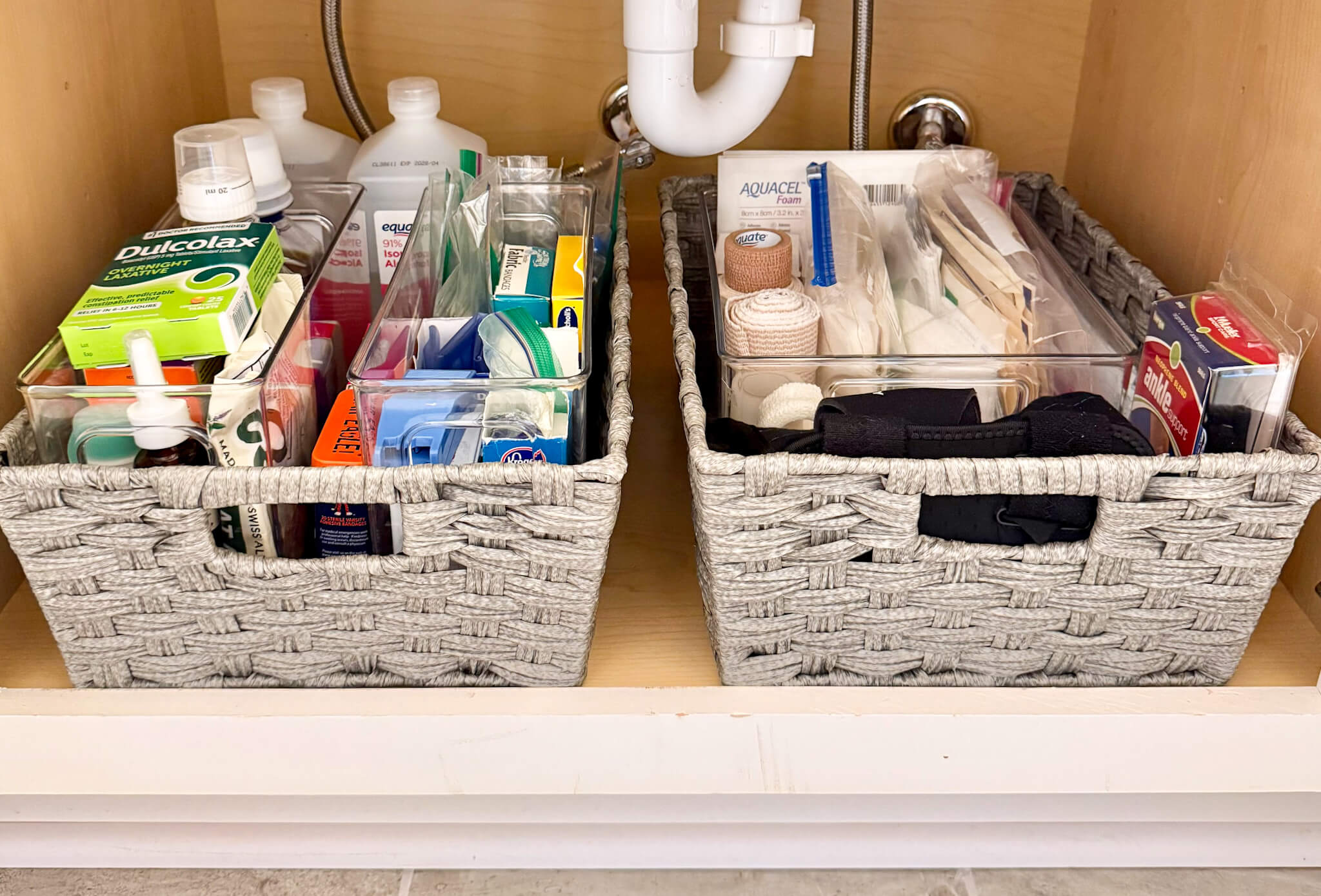
How Should I Dispose Of Unused Or Expired Medicine?
- Find a drug take back location, which are often located at a local pharmacy.
- Go to the Drug Enforcement Agency website for Take Back Day. Using their “Collection Site Locator”, enter your zip code, city, and state to find a take back location near you.
- Collect a pre-paid drug mail back envelope from your pharmacy. Place expired medicine inside, seal, and return to your nearest post office.
- You can check if your medicine is on the Food and Drug Administration’s flush list here: Drug Disposal: FDA’s Flush List for Certain Medicines | FDA.
- For medicines not listed on the FDA’s flush list, the FDA recommends mixing the medicine with an undesired material such as dirt or cat litter before disposing in the trash.
Other Items Worth Checking (That May Need To Go!)
1. More water bottles than your family use (Marcia).
2. Broken or damaged stationery items, including dried up markers (Emily).
3. Expired eye drops and contact solution (Jamie).
4. Damaged or expired makeup, free cosmetic samples, and gloopy or separated nail polish (DeLena).
5. Freebies that you have no use for (Marcia).
Bonus Tip!
Use unwanted reusable shopping bags to pack your donations—giving the bag a second life! (Julie & Marcia).
Be sure and let us know in the comments below what information you found most helpful in this blog and what you’d like to read about next!
If you or someone you know needs help getting children’s spaces organized, contact us or call 256-316-1655 to schedule a free in-home assessment. Our team would love to help you like we have helped countless people across North Alabama simplify their lives.
Resources
Disposal of Unused Medicines: What You Should Know | FDA
Don’t Be Tempted to Use Expired Medicines | FDA
Household Hazardous Waste (HHW) | US EPA
How to Recycle Cables and Cords: Where to Recycle Near You | RecycleFind
U.S. Cleaning Product Compliance: Key Regulations and Market Entry Tips – REACH24H
Recent Comments